Owner personal expenses – Accounts are a fundamental aspect of personal finance, yet they are often overlooked or misunderstood. Whether you’re trying to save for a goal, reduce debt, or simply gain more control over your money, understanding your personal expenses is the first step toward financial empowerment. In this blog post, we’ll explore what personal expenses are, why they matter, and how to manage them effectively.
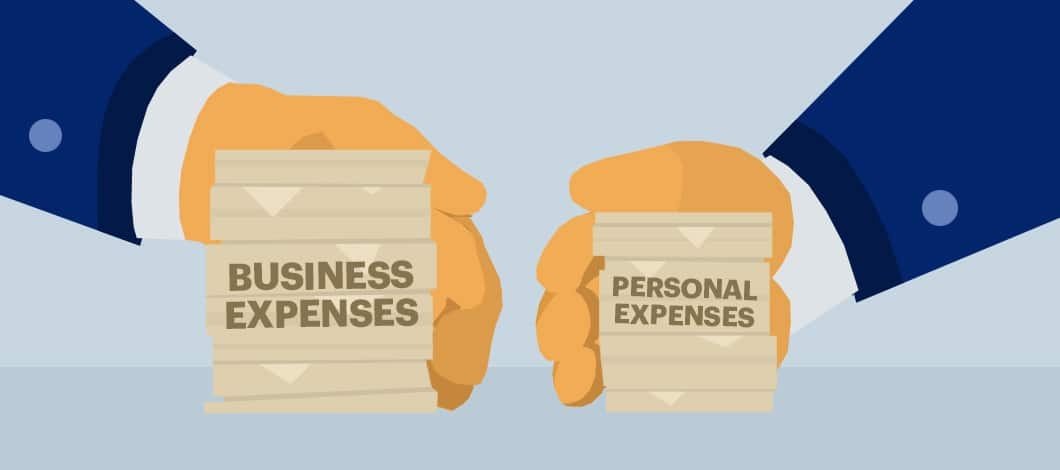
Table of Contents
What Are Personal Expenses?
Personal expenses are the everyday costs incurred as part of your lifestyle. These can include anything from groceries, rent, and utilities to entertainment, transportation, and healthcare. Essentially, they are the outflows of money that you need to pay for the goods and services you consume regularly.
Personal expenses can be categorized into two types:
- Fixed Expenses: These are regular, predictable costs that do not change much over time. Examples include rent or mortgage payments, insurance premiums, and subscriptions like streaming services. These expenses are often non-negotiable and are usually the first items to account for in your budget.
- Variable Expenses: These fluctuate from month to month and can be adjusted based on your lifestyle and choices. Examples include groceries, gas, dining out, and entertainment. These expenses provide more flexibility and can be controlled if you make a conscious effort to adjust your habits.
Why Tracking Personal Expenses is Crucial
Tracking your personal expenses gives you a clear picture of where your money is going. Without this insight, it’s easy to fall into bad financial habits, such as overspending or accumulating unnecessary debt. Here are some reasons why it’s important to track your personal expenses:
Budgeting Made Easy
Knowing exactly how much you spend allows you to create a more realistic and effective budget. When you understand where your money is going, you can allocate funds to essential categories and identify areas where you can cut back or save.
Achieving Financial Goals
Whether you’re saving for a vacation, buying a home, or building an emergency fund, tracking your expenses helps you prioritize your spending. By identifying non-essential areas where you can cut back, you free up more money to put toward your financial goals.
Avoiding Debt
Debt often arises from untracked spending, particularly when it comes to credit cards and loans. By understanding your expenses, you can avoid living beyond your means and manage your debt more effectively.
Spotting Financial Leaks
Small, regular expenses can add up quickly. When you track your spending, you might discover areas where you’re spending more than you realize, such as subscriptions you don’t use or dining out more frequently than planned. This awareness can help you eliminate unnecessary expenses and save money.
How to Track and Manage Your Personal Expenses
Tracking your personal expenses doesn’t have to be complicated. There are simple steps you can take to ensure that you stay on top of your finances.
Create a Budget
Start by creating a monthly budget that breaks down your income and expenses. Tools like spreadsheets, budgeting apps, or even pen and paper can help you do this. Some popular budgeting tools include:
- Mint: Automatically tracks your spending and categorizes it.
- YNAB (You Need A Budget): Focuses on helping you allocate your money toward specific goals.
- PocketGuard: Shows you how much you can afford to spend based on your income and bills.
Set Realistic Goals
When you understand your expenses, set financial goals that align with your priorities. Are you trying to pay off credit card debt? Save for a home down payment? Track your progress over time by checking in on your budget regularly and adjusting as needed.
Monitor Your Spending
Use apps, receipts, or bank statements to track your purchases. If you’re overspending in a category, consider cutting back.
Cut Back on Non-Essential Expenses
After tracking your expenses for a few months, you may identify areas where you can reduce spending. Perhaps you can cook at home more often instead of dining out, or cancel subscriptions that you no longer use. Cutting back on non-essential expenses will help free up more cash to put toward savings or debt repayment.
Automate Savings and Bill Payments
To avoid missing payments and to ensure you’re consistently saving, set up automated transfers. Many financial institutions allow you to automate your savings deposits and bill payments. This can help you stay on top of your finances without worrying about manual transactions.
Tips for Managing Personal Expenses Effectively
- Prioritize Needs Over Wants: While it’s important to indulge occasionally, always prioritize essential expenses like housing, food, and transportation before spending on non-essentials.
- Use Cash for Discretionary Spending: If you tend to overspend on things like entertainment or dining out, try using cash instead of credit cards. This makes the money more tangible and helps you avoid mindless spending.
- Review Subscriptions Regularly: Many people forget about recurring subscriptions. Review your monthly subscriptions at least once a year and cancel anything that no longer serves you.
- Plan for Emergencies: Build an emergency fund to cover unexpected costs, like medical bills or car repairs. Having a cushion will prevent you from relying on credit cards or loans in a pinch.
Conclusion: Control Your Finances, Control Your Life
Personal expenses are an inevitable part of life, but they don’t have to be overwhelming. By tracking and managing your expenses effectively, you take control of your finances and can make informed decisions about how to spend, save, and invest your money. Whether you want to pay off debt, save for a big purchase, or simply enjoy more financial peace of mind, understanding and controlling your personal expenses is the first step toward financial freedom.
Remember, the key to effective expense management is consistency. Keep an eye on your spending, adjust as needed, and stay committed to your goals. Your future self will thank you for it.