Table of Contents
Personal Assets Trust When we talk about personal finance, one term that often comes up is “personal assets.” But what exactly are personal assets, and why should you care about them? Whether you’re just starting your financial journey or looking to improve your money management skills, understanding personal assets is a key step toward building financial security and wealth.
In this blog post, I’ll break down what personal assets are, why they matter, and some practical tips on how to manage and grow them effectively.
What Are Personal Assets?
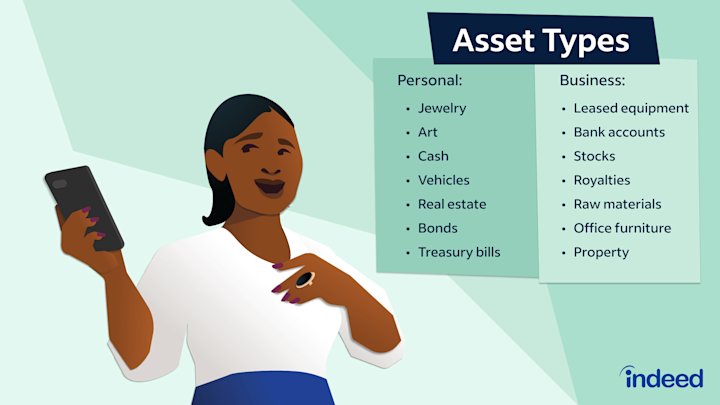
Personal assets are everything you own that has monetary value. Think of them as your possessions that can be converted into cash or that contribute to your net worth. These include:
- Cash and Cash Equivalents: Savings account, cash on hand, checking accounts.
- Investments: Stocks, bonds, mutual funds, retirement accounts.
- Property: Your home, land, or any real estate you own.
- Personal Property: Vehicles, jewelry, electronics, collectibles.
- Other Assets: Business ownership, valuable intellectual property, or any other valuables.
Simply put, personal assets are what you have that could potentially be sold or used as collateral.
Why Are Personal Assets Important?
Understanding and managing your personal assets is crucial because they play a big role in your financial health. Here’s why they matter:
- Net Worth Calculation: Your net worth is calculated by subtracting your liabilities (what you owe) from your assets (what you own). Knowing your assets helps you understand where you stand financially.
- Financial Security: Having a diverse range of personal assets can provide a safety net during emergencies or unexpected life events.
- Investment and Growth: Certain assets, like investments or property, can appreciate over time, helping you build wealth and secure your financial future.
- Loan and Credit Opportunities: Assets can be used as collateral to secure loans, giving you access to credit for larger purchases or investments.
How to Manage and Grow Your Personal Assets
Managing personal assets isn’t just about keeping track of what you own; it’s about making smart decisions to maximize their value and grow your wealth. Here are some tips:
- Keep Track of Your Assets: Create a list or spreadsheet of all your assets along with their current values. Review and update this regularly to monitor your financial progress.
- Diversify Your Assets: Avoid putting all your eggs in one basket. Spread your assets across different types, like cash savings, investments, and property, to reduce risk.
- Invest Wisely: Consider putting money into stocks, bonds, or retirement accounts. While investments carry risk, they also offer the potential for growth over time.
- Protect Your Assets: Make sure to have insurance for valuable assets like your home, car, or business. This protects you from financial loss due to theft, damage, or accidents.
- Reduce Liabilities: Work on paying down debts so that your net worth grows faster. Less debt means more of your assets are truly yours.
- Plan for the Future: Consider estate planning or setting up trusts if you want to protect your assets and ensure they’re passed on according to your wishes.
Common Misconceptions About Personal Assets
- Assets are always valuable: Not all assets hold their value equally. Some things, like a new car, depreciate over time.
- Owning a home is always an asset: While property is generally an asset, if you owe more on your mortgage than the home is worth, it can be considered a liability.
- Personal possessions don’t count: Valuable personal possessions like jewelry or collectibles do count as assets if they have resale value.