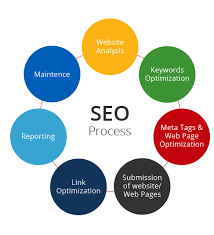
Link to Search engine optimization
Search engine optimization is more than just a buzzword; it’s the backbone of a successful online presence. Whether you’re running a small blog, an e-commerce website, or a corporate enterprise, understanding and implementing SEO can make or break your visibility in search engine results.
But what exactly is SEO, and why does it matter so much for businesses today? In this blog, we’ll break down the importance of SEO, explain how it works, and provide actionable tips you can use to improve your website’s search engine rankings.
Table of Contents
What is SEO?
At its core, SEO refers to the practice of optimizing your website and its content to improve its visibility on search engines like Google, Bing, and Yahoo. The goal is simple: to increase your site’s organic (non-paid) traffic by ranking higher for relevant search queries.
When someone types a query into Google, the search engine looks at millions of pages and determines which ones are most relevant to show in the search results. SEO involves optimizing your content, website structure, and technical aspects to ensure that your page is seen as valuable, authoritative, and relevant to those search queries.
Why SEO Matters
1. Increased Visibility and Traffic
The primary reason SEO is important is because it drives organic traffic to your website. Research shows that most users don’t scroll past the first page of search results. If your website isn’t ranking on page one for important search terms, you’re missing out on significant traffic potential.
- Around 75% of users never click past the first page of search results.
- Websites ranking in the top three positions on Google get about 40% of all clicks.
By implementing SEO best practices, you can improve your rankings, ensuring your website gets seen by more potential customers.
2. Cost-Effective Marketing
Compared to paid advertising (like Google Ads or social media ads), SEO is a much more cost-effective long-term strategy. While paid ads bring traffic immediately, the benefits of SEO compound over time. Once your pages start ranking, they continue to bring in traffic with little ongoing investment.
With SEO, the only costs typically involved are the time and effort spent optimizing your content, building links, and improving site speed. In the long run, this can result in a high return on investment (ROI) as your site gains organic traffic and brand visibility.
3. Builds Credibility and Trust
Websites that rank higher in search results are perceived as more credible and trustworthy by users. Google’s algorithm favors authoritative and relevant content, and when your website ranks well, users are more likely to click through and engage with your content.
By consistently appearing in top search results for key industry terms, your business builds brand authority and instills confidence in potential customers.
4. Enhances User Experience
SEO isn’t just about search engine algorithms; it’s also about making your website more user-friendly. A good SEO strategy includes improving the user experience (UX) of your site. This could mean ensuring your website is easy to navigate, has fast loading speeds, or is mobile-responsive.
Search engines like Google prioritize websites that provide excellent user experiences. When users are happy with your site, they’re more likely to stay longer, visit more pages, and ultimately convert into customers.
How Does SEO Work?
Search engine algorithms are complex, but at a high level, SEO is about making sure that search engines can easily crawl and index your website and understand its relevance to specific search queries. Here are the core components of SEO:
1. Keyword Research
Keywords are the terms and phrases people type into search engines when looking for information. Identifying the right keywords is the first step in any SEO strategy. Keyword research allows you to find out which topics and terms your target audience is searching for, so you can create content that answers their needs.
- Use tools like Google Keyword Planner, Ahrefs, or SEMrush to identify high-volume, low-competition keywords.
- Focus on long-tail keywords—more specific phrases that are often easier to rank for and typically have higher conversion rates.
2. On-Page SEO
On-page SEO refers to all the elements of your website that you can optimize directly. This includes the content, structure, and HTML code on each page of your site.
Key elements of on-page SEO include:
- Title tags: The title of each page, which should include your main keyword.
- Meta descriptions: A brief summary of the page content, which can influence click-through rates.
- Headings (H1, H2, etc.): Organize content with header tags to improve readability and help search engines understand the structure.
- URL structure: Use simple, keyword-rich URLs (e.g., example.com/blog/seo-guide).
- Internal linking: Link to other relevant pages on your site to help users navigate and distribute page authority.
3. Technical SEO
Technical SEO refers to the back-end aspects of your website that affect its performance and crawling by search engines. It includes optimizing your site’s architecture, speed, mobile-friendliness, and more.
Some key technical SEO elements include:
- Site speed: Google favors fast-loading websites. Use tools like Google PageSpeed Insights to test and optimize your page speed.
- Mobile optimization: With the rise of mobile browsing, it’s essential that your website is responsive and functions well on mobile devices.
- XML sitemap: An XML sitemap helps search engines crawl and index your pages more efficiently.
- Secure website (HTTPS): Google prioritizes secure websites with an SSL certificate, indicated by the “padlock” symbol in the browser.
4. Off-Page SEO
Off-page SEO refers to actions taken outside of your website that influence your rankings. The most important factor here is backlinks—links from other reputable websites that point to your pages. Backlinks act as a vote of confidence, signaling to search engines that your content is valuable and authoritative.
Key off-page strategies include:
- Link building: Gaining high-quality backlinks through guest blogging, outreach, and creating shareable content.
- Social signals: While not a direct ranking factor, social media engagement can drive traffic and increase visibility, indirectly affecting SEO.
- Brand mentions: Getting your brand mentioned on other websites, even without a direct link, can help with SEO.
5. Content Marketing
Creating high-quality, relevant content is a core part of SEO. The better your content answers user queries, the more likely it is to rank well. Content can include blog posts, videos, infographics, podcasts, and more.
- Ensure your content is comprehensive, answering questions in-depth.
- Use multimedia (images, videos, etc.) to make your content more engaging.
- Regularly update your content to keep it fresh and relevant.
Key SEO Metrics to Track
Once your SEO strategy is in place, it’s important to track and measure its effectiveness. Some important SEO metrics to keep an eye on include:
- Organic traffic: The number of visitors arriving from search engines.
- Keyword rankings: The position of your targeted keywords in search results.
- Click-through rate (CTR): The percentage of users who click on your website after seeing it in search results.
- Bounce rate: The percentage of visitors who leave your site after viewing only one page.
- Backlinks: The number and quality of external sites linking to your content.