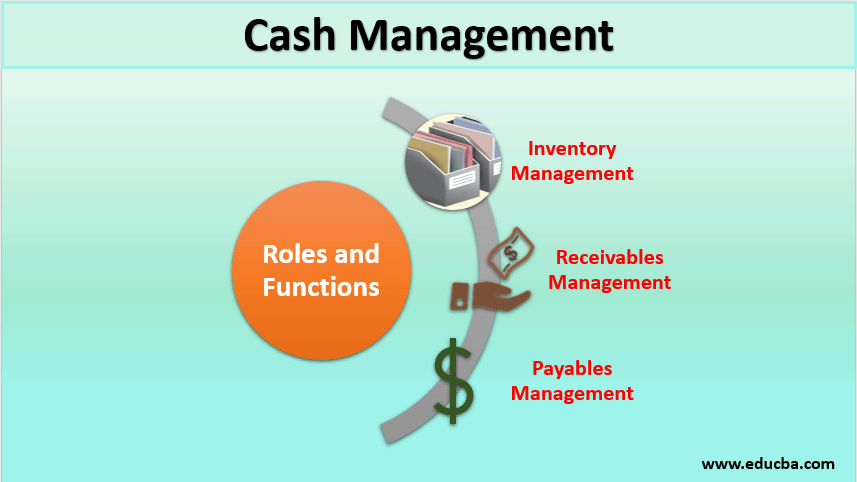
Cash flow effectively is one of the most crucial elements of running a successful small business. While many entrepreneurs spend a significant amount of time focusing on sales, marketing, product development, or customer service, cash flow often gets overlooked—until a financial problem arises. The truth is that even profitable businesses can fail if they don’t have enough cash on hand to fund daily operations, pay bills, or seize new opportunities.
Cash flow is the lifeline of any company. It affects nearly every part of your business: your ability to make payroll, your relationships with suppliers, your capacity to invest in growth, and your overall financial health. Small businesses, in particular, tend to operate on tighter margins and may not have large cash reserves, making cash management even more important.
In this comprehensive guide, we’ll explore practical and proven cash flow management tips specifically tailored for small business owners. Whether you’re a startup founder, a local shop owner, a freelancer, or an established business looking to strengthen your financial stability, the following strategies can help you gain control of your money, reduce financial stress, and create long-term stability.
Before diving into the strategies, it’s important to understand what cash flow really means. Many business owners confuse cash flow with profit, but these are very different concepts. Profit refers to the financial gain after subtracting expenses from revenue. Cash flow, on the other hand, represents the actual movement of money in and out of your business.
You can be profitable on paper and still run out of cash if your money is tied up in unpaid invoices, inventory, or long-term assets. That’s why cash flow is often considered more important than profit—without cash, a business cannot survive, no matter how good its financial statements look.
Cash flow is typically divided into three categories:
Operating cash flow – day-to-day business activities
Investing cash flow – buying or selling long-term assets
For small businesses, operating cash flow is usually the most critical to monitor.
1. Monitor Your Cash Flow Regularly
The first and most essential step in managing cash flow effectively is monitoring it consistently. Many small business owners only check their financials when something goes wrong—like when a major expense comes up or when a bill is overdue. But cash flow issues rarely happen overnight. They build gradually, and by the time you notice, it may already be too late.
Why regular monitoring matters:
You can identify patterns and seasonal trends.
You catch slow-paying customers early.
You prevent overdrafts and unnecessary bank fees.
You can predict upcoming cash shortages.
How to monitor effectively:
Use accounting software such as QuickBooks, Xero, FreshBooks, or Wave.
Review your cash flow statements weekly or even daily.
Track not only past transactions but expected future ones.
Use dashboards or apps that allow you to quickly see your bank balance, outstanding invoices, and upcoming bills.
Consistent monitoring creates a habit of financial awareness. When you know where your money is going, you can make smarter decisions and avoid surprises.
2. Forecast Your Cash Flow for the Next 3–12 Months
Cash flow forecasting allows you to look ahead and estimate how much money will come in and go out over a specified period. This can be extremely valuable for preparing for seasonal fluctuations or planning large expenses.
For example: A landscaping business may experience high cash flow during spring and summer and lower income in winter. A retail store may see spikes during holidays. A consultant may rely on long-term contracts that renew annually.
Benefits of forecasting:
Helps you anticipate cash shortages before they occur
Allows you to plan for growth, hiring, or major purchases
Build multiple scenarios: best case, average case, worst case.
Software tools such as Float, Pulse, and Futrli can help automate forecasting, making it easier and more accurate.
3. Speed Up Your Receivables
Slow-paying customers can create major cash flow challenges. Even if your business is technically profitable, your cash flow may suffer if money remains stuck in unpaid invoices.
Here are practical ways to get paid faster:
Send invoices immediately
Don’t wait a few days after finishing a project or delivering a product. The sooner the invoice is sent, the sooner your customer can process it.
Set clear payment terms
If you currently use net 30 terms, consider switching to net 15 or requiring partial upfront payments. Many businesses now use 50% upfront, 50% on delivery.
Offer incentives for early payments
For example: 2% discount if paid within 10 days. Some customers will take advantage of this to save money.
Use automated invoicing tools
Automated systems send reminders, accept digital payments, and reduce administrative work.
Make payments easy
Offer payment options such as:
Credit or debit cards
Bank transfers
PayPal, Stripe, Square
Mobile payments
If customers find the payment process convenient, they’re more likely to pay quickly.
4. Delay or Negotiate Your Payables Without Damaging Relationships
Just like you want customers to pay you faster, you also need to manage your outgoing payments strategically. Remember: cash flow is about timing. If you can hold onto cash a little longer—without incurring late fees or damaging relationships—you’ll have more flexibility.
Ways to manage payables effectively:
Negotiate longer payment terms
Many suppliers will offer net 45 or net 60 if you have a good relationship or are willing to commit to long-term volume.
Use payment plans for larger purchases
Instead of paying a large lump sum, dividing the cost into monthly payments can ease cash flow pressure.
Prioritize essential payments
Rent, payroll, and taxes come first. Other expenses can sometimes be delayed if necessary.
Avoid late fees
While delaying payment can help, paying late fees will harm your long-term cash flow. Always stay within the agreed time frame.
Managing payables strategically requires communication and professionalism. As long as you’re honest with suppliers and pay within the agreed period, you can maintain strong relationships while improving your financial stability.
5. Cut Unnecessary Expenses
Reducing costs is one of the simplest ways to improve cash flow quickly. Many small businesses accumulate expenses over time—subscriptions, unused tools, overpriced services—often without realizing how much money is being wasted.
Where to look for savings:
Subscriptions & software
Audit your digital tools monthly. Many businesses pay for overlapping tools or unused subscriptions.
Operational inefficiencies
Manual tasks that could be automated consume time and labor costs.
Vendor costs
Compare prices from different suppliers or renegotiate current contracts.
Utility expenses
Simple changes like using energy-efficient lighting or optimizing workspace usage can reduce bills.
Marketing waste
Focus on channels that bring the highest return on investment. Track results and eliminate ineffective campaigns.
Cutting costs doesn’t necessarily mean cutting quality. It means eliminating waste and optimizing efficienc
6. Build a Cash Reserve
Every business, big or small, needs a financial safety net. Economic downturns, unexpected repairs, client cancellations, and seasonal slowdowns are inevitable. A cash reserve helps you navigate these challenges without panic.
How much should you save?
Most financial advisors recommend saving 2–6 months of operating expenses.
For businesses with high risk or seasonal fluctuations, a larger reserve may be helpful.
How to build your reserve:
Set a small percentage of monthly revenue aside.
Use profits from peak seasons to save for slower ones.
Allocate unexpected income to your emergency fund.
A cash reserve brings peace of mind and gives you flexibility during difficult times.
7. Improve Inventory Management
If you run a business that carries physical products, inventory can significantly affect your cash flow. Holding too much inventory ties up cash, while holding too little results in missed sales.
Tips for better inventory management:
Track inventory turnover
High turnover means products sell quickly. Low turnover indicates items are sitting too long.
Use inventory management software
Tools like TradeGecko, Zoho Inventory, or Shopify Inventory can help you track stock levels accurately.
Avoid overstocking
Purchase inventory based on sales data, not assumptions.
Consider “just-in-time” inventory
This method reduces storage costs and ensures you only buy what you need when you need it.
Good inventory management keeps your cash flowing and reduces the risk of wasted stock.
8. Consider Financing Options Before You Need Them
Many business owners only seek financing when they’re already struggling, but that’s often the worst time to do so. Lenders typically prefer businesses with strong financials and steady revenue.
Why you should plan financing early:
Gives you emergency access to funds
Ensures lower interest rates and better terms
Provides flexibility during unexpected challenges
Helps fund growth opportunities
Common financing options:
Business line of credit – Revolving funds you can use anytime, ideal for cash flow gaps.
Short-term loans – Good for immediate needs or emergencies.
Invoice financing or factoring – Borrowing against unpaid invoices.
Business credit cards – Useful for small purchases, but interest rates can be high.
SBA loans – Great for long-term financing with favorable terms.
Having financing options ready before you need them ensures your business stays protected.
9. Use Technology to Automate Cash Flow Management
Technology can dramatically simplify cash flow management. By automating repetitive tasks, you reduce human error, save time, and keep your financial data accurate.
Helpful tools include:
Accounting software
QuickBooks
Xero
Wave
These help track income, expenses, invoices, and cash flow statements.
Invoice automation tools
FreshBooks
Zoho Invoice
Square
These help you send professional invoices and automate reminders.
Expense tracking apps
Expensify
Receipt Bank
These tools allow your team to upload receipts and track spending instantly.
Cash flow forecasting tools
Float
Pulse
Automation keeps your finances up to date and gives you real-time insights into your business’s cash position.
10. Analyze and Improve Your Pricing Strategy
Many cash flow problems stem from underpricing. New business owners often price too low to attract customers, but low prices can lead to financial strain in the long run.
How to improve your pricing:
Review competitor pricing.
Calculate your true costs (labor, overhead, materials).
Add a reasonable margin for profit and growth.
Consider value-based pricing instead of cost-based.
If raising prices worries you, consider adding more value through bundles, premium options, or improved service.
Sometimes, improving cash flow is as simple as charging what your products or services are truly worth.
11. Implement Strong Financial Policies
Cash flow problems often arise because small businesses lack clear financial rules. Establishing policies ensures consistency and reduces confusion.
Examples of good financial policies include:
Clear invoice terms
Defined approval process for purchases
Spending limits for employees
Scheduled financial reviews
Policies for deposits and advance payments
Well-structured policies help prevent unexpected expenses and keep cash flow stable.
12. Reduce Debt or Refinance When Possible
Debt can strain cash flow, especially when interest rates rise or payments become too large. Managing debt responsibly is crucial for small business stability.
Ways to improve debt-related cash flow:
Refinance loans to secure lower rates
Consolidate high-interest debts
Pay off small balances to reduce monthly obligations
Negotiate with lenders for better terms
Reducing your monthly debt payments frees up cash for other essential expenses.
13. Increase Your Sales Without Increasing Costs
Improving cash flow doesn’t always require major changes. Sometimes small adjustments to your sales and marketing strategy can boost revenue without increasing expenses.
Ideas to increase sales cost-efficiently:
Upsell or cross-sell to existing customers
Create referral incentives
Send follow-up emails to past customers
Improve your social media engagement
Offer limited-time promotions
Increasing revenue while maintaining costs leads to instant improvements in cash flow.
Conclusion: Take Control of Your Cash Flow and Strengthen Your Business
Cash flow management is not a one-time task—it’s an ongoing process that requires attention, planning, and smart decision-making. By monitoring your cash flow regularly, forecasting accurately, optimizing receivables and payables, and using technology to stay organized, you can maintain healthy financial stability.
A strong cash flow gives you the freedom to operate confidently, invest in growth, and weather unexpected challenges. Whether you’re just starting or looking to expand, these strategies will help you build a more resilient and successful business.
Remember: cash is the fuel that keeps your business running. Manage it wisely, and your business will thrive.