Sustainability & Social Impact Business In the past, ethical and sustainable business practices were seen as “nice to have.” Today, they are non-negotiable. Consumers expect brands to be responsible. Investors are prioritizing companies with long-term sustainability strategies. And global regulations are pushing businesses toward transparency and accountability.
This shift isn’t a trend—it’s a permanent transformation in how businesses compete, grow, and build trust.
In this article, we’ll explore what ethical and sustainable business really means today, why it matters, and how companies of any size can start implementing it right now
Link to Ethical, Sustainable & Social Impact Business
Table of Contents
What Is Ethical, Sustainable & Social Impact Business?
An ethical, sustainable, and socially responsible business is one that:
✔ Minimizes environmental harm
This includes reducing carbon emissions, adopting green materials, preventing waste, and making supply chains more sustainable.
✔ Operates with transparency and fairness
This applies to labor conditions, sourcing materials, and honest communication with customers.
✔ Contributes positively to society
Through community support, inclusive hiring, fair wages, and products or services that improve lives.
✔ Thinks long-term, not just short-term profits
Sustainability means building something that can thrive without exploiting people or the planet.
Why Sustainability Is Now a Business Advantage—not a Cost
Many founders still believe sustainability is expensive. But the truth is, ethical business practices often lower costs and increase loyalty in the long run.
Here’s why:
1. Consumers prefer responsible brands
Modern consumers—especially Gen Z and Millennials—want to buy from brands that reflect their values. They don’t just look at products; they look at impact.
If your business is transparent, ethical, and environmentally conscious, customers reward you with loyalty.
2. Sustainable operations reduce waste and save money
Green packaging, efficient energy use, and optimized supply chains often lead to:
- lower production costs
- less waste
- better inventory management
- fewer returns
These improvements add up.
3. Investors are prioritizing sustainability
Impact investing is booming.
Companies with strong ESG (Environmental, Social, Governance) performance attract more funding because they are seen as lower-risk and future-proof.
4. Regulations are changing—fast
Governments are increasing requirements for:
- emissions reporting
- ethical labor standards
- recycled packaging
- supply-chain transparency
Businesses that prepare early avoid penalties and gain competitive advantage.
Core Principles of Ethical & Sustainable Business
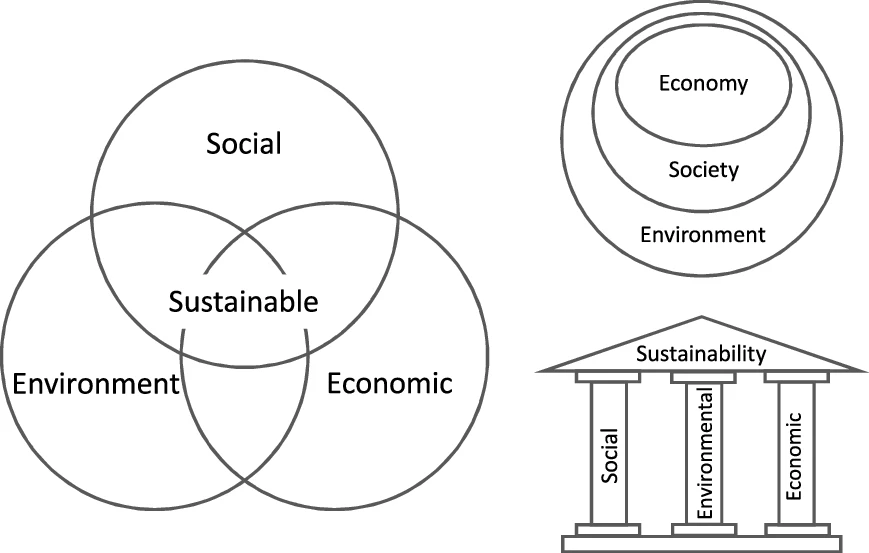
Here are the key pillars every modern business should focus on:
1. Environmental Responsibility
This includes:
- sustainable packaging
- renewable energy
- water conservation
- recycling systems
- reducing carbon footprint
Even small steps (like switching to biodegradable packaging or digital receipts) make a big difference.
2. Ethical Supply Chains
A socially responsible business ensures:
- safe working conditions
- fair wages
- no child labor
- cruelty-free and conflict-free sourcing
Customers are increasingly demanding supply chain transparency—brands that deliver it gain trust instantly.
3. Diversity, Inclusion & Fair Employment
Ethical companies:
- pay fair wages
- hire inclusively
- provide opportunities for underrepresented groups
- support work-life balance
Happy, respected employees create better products, better service, and better results.
4. Community Impact
Social impact businesses contribute to the communities they serve through:
- donations
- volunteering
- local partnerships
- educational programs
This strengthens brand reputation and creates real, measurable change.
Examples of Companies Leading the Way
✔ Patagonia – Donates profits to environmental causes and maintains a fully transparent supply chain.
✔ Allbirds – Produces carbon-neutral shoes and reports their emissions publicly.
✔ Ben & Jerry’s – Advocates for social justice, climate change solutions, and fair trade ingredients.
✔ TOMS – Reinvests one-third of profits into grassroots organizations and community-focused impact.
These companies prove that doing good can also mean doing well.
How to Make Your Business More Ethical & Sustainable (Even If You’re Small)
You don’t need a huge budget to start. Try these practical actions:
1. Switch to eco-friendly packaging
Paper mailers, compostable bags, and recycled boxes are affordable and effective.
2. Audit your supply chain
Ask suppliers about labor conditions, sourcing, and certifications.
3. Reduce energy usage
Switch to LEDs, optimize production hours, and implement energy-saving operations.
4. Support a cause that aligns with your brand
Donate a percentage, sponsor community projects, or partner with local NGOs.
5. Create transparent policies
Share your sustainability and ethics commitments on your website so customers know your values.
6. Involve your customers
Offer recycling incentives, green packaging options, or charity-based purchase programs.
The Future: Ethical Business as the New Standard
The future of business is not just profitable—it’s responsible.
Consumers, employees, and communities expect more from brands than ever before.
Being ethical and sustainable is no longer optional. It’s a long-term growth strategy.
Companies that prioritize people, planet, and purpose will lead the market, attract loyal customers, and stay relevant for decades to come.
In the past, ethical and sustainable business practices were seen as “nice to have.” Today, they are non-negotiable. Consumers expect brands to be responsible. Investors are prioritizing companies with long-term sustainability strategies. And global regulations are pushing businesses toward transparency and accountability.
This shift isn’t a trend—it’s a permanent transformation in how businesses compete, grow, and build trust.
In this article, we’ll explore what ethical and sustainable business really means today, why it matters, and how companies of any size can start implementing it right now.
What Is Ethical, Sustainable & Social Impact Business?
An ethical, sustainable, and socially responsible business is one that:
✔ Minimizes environmental harm
This includes reducing carbon emissions, adopting green materials, preventing waste, and making supply chains more sustainable.
✔ Operates with transparency and fairness
This applies to labor conditions, sourcing materials, and honest communication with customers.
✔ Contributes positively to society
Through community support, inclusive hiring, fair wages, and products or services that improve lives.
✔ Thinks long-term, not just short-term profits
Sustainability means building something that can thrive without exploiting people or the planet.
Why Sustainability Is Now a Business Advantage—not a Cost
Many founders still believe sustainability is expensive. But the truth is, ethical business practices often lower costs and increase loyalty in the long run.
Here’s why:
1. Consumers prefer responsible brands
Modern consumers—especially Gen Z and Millennials—want to buy from brands that reflect their values. They don’t just look at products; they look at impact.
If your business is transparent, ethical, and environmentally conscious, customers reward you with loyalty.
2. Sustainable operations reduce waste and save money
Green packaging, efficient energy use, and optimized supply chains often lead to:
- lower production costs
- less waste
- better inventory management
- fewer returns
These improvements add up.
3. Investors are prioritizing sustainability
Impact investing is booming.
Companies with strong ESG (Environmental, Social, Governance) performance attract more funding because they are seen as lower-risk and future-proof.
4. Regulations are changing—fast
Governments are increasing requirements for:
- emissions reporting
- ethical labor standards
- recycled packaging
- supply-chain transparency
Businesses that prepare early avoid penalties and gain competitive advantage.
Core Principles of Ethical & Sustainable Business
Here are the key pillars every modern business should focus on:
1. Environmental Responsibility
This includes:
- sustainable packaging
- renewable energy
- water conservation
- recycling systems
- reducing carbon footprint
Even small steps (like switching to biodegradable packaging or digital receipts) make a big difference.
2. Ethical Supply Chains
A socially responsible business ensures:
- safe working conditions
- fair wages
- no child labor
- cruelty-free and conflict-free sourcing
Customers are increasingly demanding supply chain transparency—brands that deliver it gain trust instantly.
3. Diversity, Inclusion & Fair Employment Ethical companies:
- pay fair wages
- hire inclusively
- provide opportunities for underrepresented groups
- support work-life balance
Happy, respected employees create better products, better service, and better results.
4. Community Impact
Social impact businesses contribute to the communities they serve through:
- donations
- volunteering
- local partnerships
- educational programs